
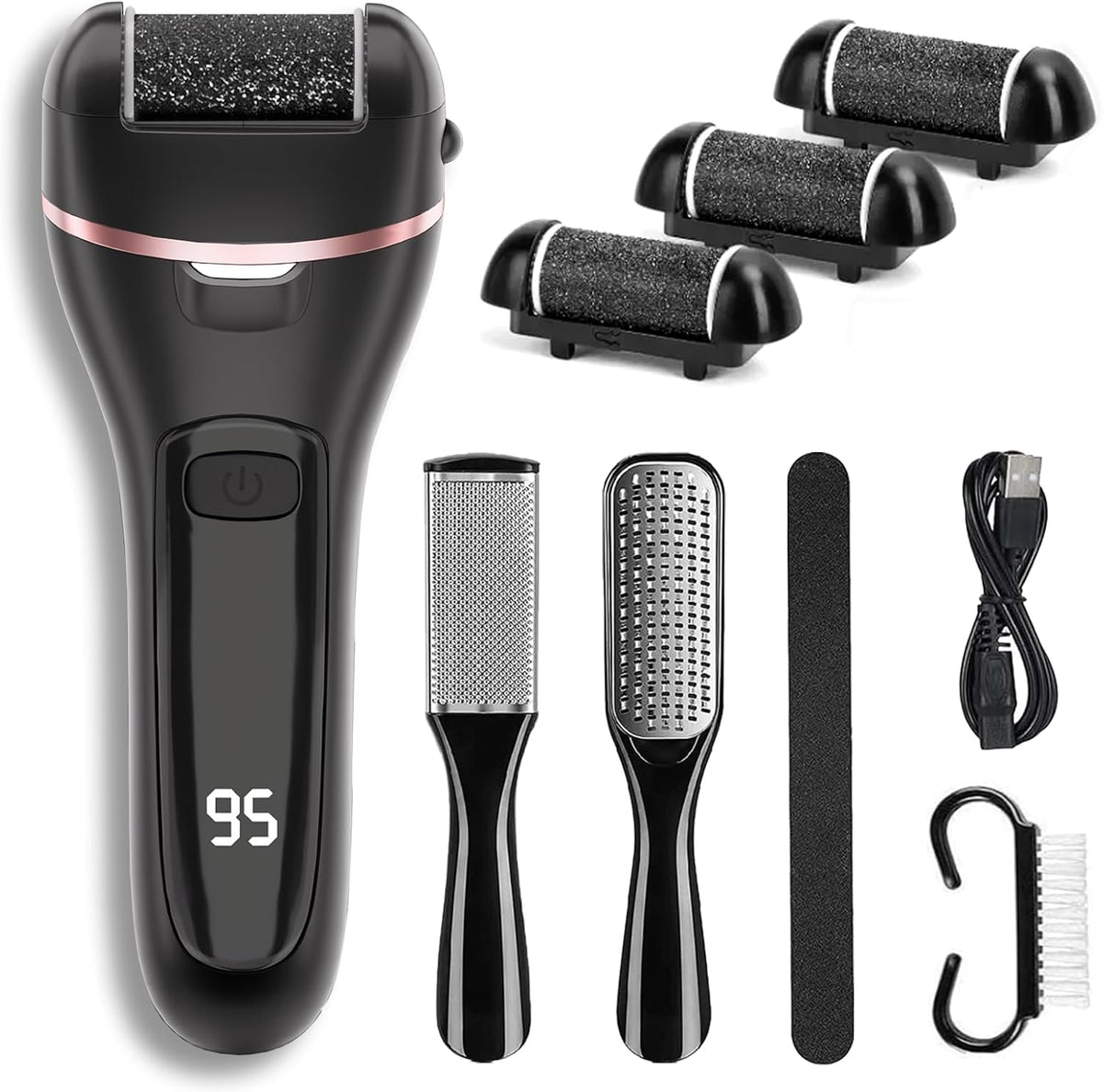
Hard skin on your heels and the balls of your feet is very common. It builds up where your feet take the most pressure, and when the skin gets dry, it can crack. Cracked heels can be uncomfortable and even painful. The good news: with a few minutes a week, you can keep your feet soft and smooth at home.
What causes calluses and cracked heels?
- Pressure and friction: walking, standing for long periods and shoes that rub.
- Open-back shoes and sandals: the heel spreads out with every step.
- Dry skin: especially in winter, with age, or after long, hot showers.
- Too little care: once hard skin builds up, it keeps getting thicker.
Step by step: removing hard skin
- Start with dry or slightly damp feet. With an electric callus remover, dry skin usually gives the fastest results. With a manual file, soften the skin first in warm water for a few minutes.
- Work gently. Glide over the hard skin without pressing. Do a little at a time and check regularly how it feels.
- Stop at the healthy skin. The goal is to remove the thick, yellowish layer, not to get the skin completely thin. Your heels need some protection.
- Rinse and dry your feet. Remove the skin dust and dry well, also between the toes.
- Moisturise. Use a rich foot cream, ideally with urea. Applying it in the evening and wearing cotton socks overnight works very well.
Which tool works best?
A pumice stone or manual foot file works, but takes time and effort. An electric callus remover uses a fast-spinning roller that removes hard skin in minutes, without scrubbing. Because there are no blades, there is no risk of cuts, and you can choose a coarser roller for thick calluses and a finer one for regular care. Avoid corn planes and razor blades: they easily remove too much and can cause wounds.
How often should you remove calluses?
Once or twice a week is enough for most people. For very thick calluses, spread the treatment over a few sessions instead of removing everything at once. In between, apply foot cream daily to keep the skin soft.
Preventing hard skin and cracks
- Moisturise your feet every day, especially your heels.
- Wear shoes that fit well and support your heel.
- Do not shower too long or too hot.
- Drink enough water.
When to see a podiatrist
Get professional help if the cracks are deep, bleed or become red and painful, or if you have diabetes, poor circulation or reduced feeling in your feet. In those cases, do not remove hard skin yourself.
Soft, smooth feet in minutes
The NuvoNail electric callus remover is waterproof, has 2 speeds and comes with replacement rollers. Free shipping and 30-day returns.
View the NuvoNail callus remover →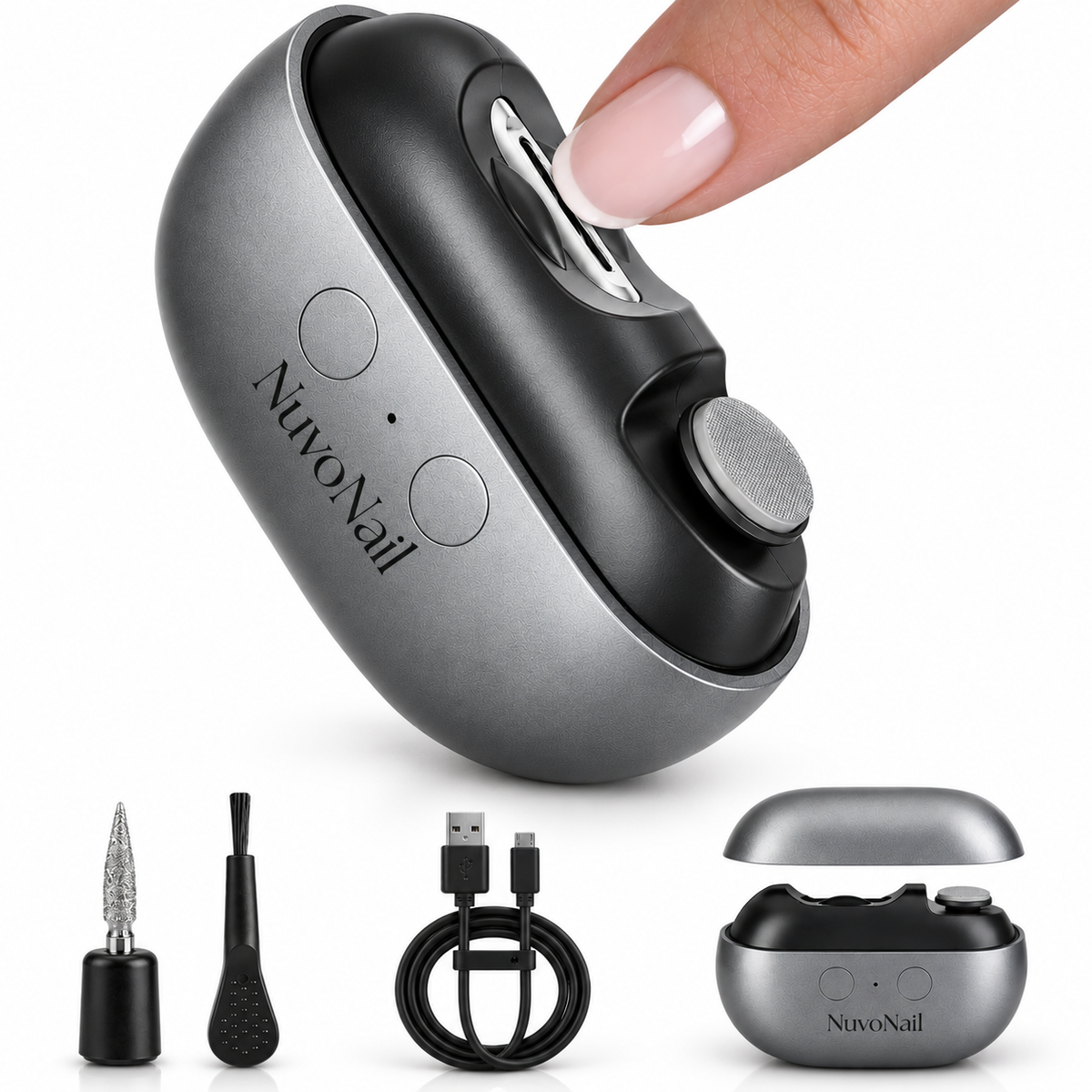

Leave a comment
This site is protected by hCaptcha and the hCaptcha Privacy Policy and Terms of Service apply.